Top Strategy Games Beyond Chess
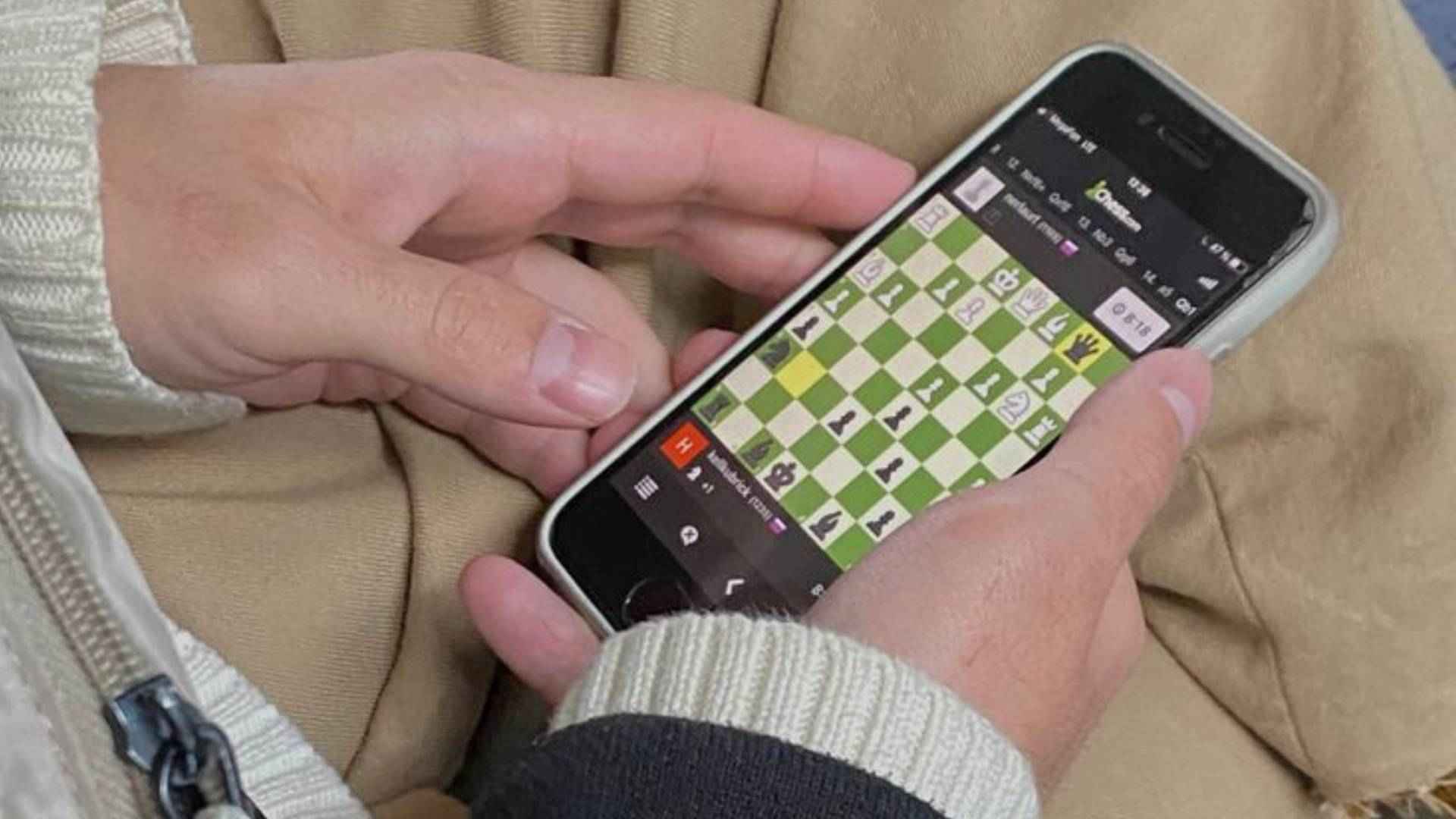
For centuries, chess has stood as the ultimate benchmark for intellectual competition and tactical supremacy. However, the modern gaming landscape has evolved to offer deep intellectual challenges that expand far beyond the checkered board. Enthusiasts seeking fresh mental exercises can discover incredible alternatives that test different aspects of strategic planning and critical thinking.
The Complex World of Modern Board Games
As the tabletop industry experiences a massive global renaissance, designers are crafting experiences with unprecedented depth and variance. Games like Go and various complex resource management simulators challenge players to think dozens of moves ahead while managing dynamic systems. These options introduce asymmetrical player powers and fluctuating market mechanics that traditional abstract games simply do not possess.
Furthermore, navigating these fluid parameters requires a unique blend of long-term planning and real-time adaptability. Players must constantly analyze their opponents' developing patterns while optimizing their own restricted resources. This added layer of unpredictability keeps each session completely unique and highly engaging for veteran tactical minds.
Digital Turn-Based Strategy Masterpieces
The transition into the digital realm has allowed strategy games to scale to grand proportions that physical components cannot support. Complex computer simulations offer deep political, economic, and military systems that demand comprehensive oversight. Players can guide entire civilizations across millennia, balancing technological research with diplomatic relations to achieve global dominance.
For individuals looking for strategic variety, exploring interactive digital platforms like M88bet can offer a fascinating shift in analytical entertainment. However, mastering grand digital campaigns remains one of the most rewarding pursuits for those who enjoy thorough problem-solving. The scale of these virtual landscapes ensures that logic and meticulous planning remain the core drivers of ultimate victory.
Asymmetrical Warfare and Real-Time Tactics
Unlike traditional options where both participants start with identical configurations, many contemporary titles thrive on structural asymmetry. Each side commands entirely distinct units, specialized abilities, and specific conditions required to win the match. This design philosophy forces competitors to master multiple distinct playstyles rather than relying on a single opening book formula.
Additionally, real-time tactical experiences eliminate the luxury of taking long, calculated breaks between consecutive decisions. Participants must process heavy amounts of incoming information and execute complex defensive maneuvers within fractions of a second. This intense environment beautifully tests emotional control, high-pressure decision-making, and rapid situational awareness.
Building Collaborative Strategic Thinking
Another profound evolution in modern design is the rise of highly cooperative tactical adventures. Instead of plotting direct destruction against the person sitting across the table, participants must pool their collective talents to defeat a simulated system. This setup transforms individual calculation into a shared exercise of communication and group risk assessment.
Working together requires a thorough understanding of compounding resource actions and perfect team coordination. A single selfish decision can easily compromise the entire group's position, leading to a swift defeat. Cultivating this shared analytical framework provides a refreshing and deeply social alternative to the solitary nature of historic classics.