Learn to Predict Opponents in Bridge Games
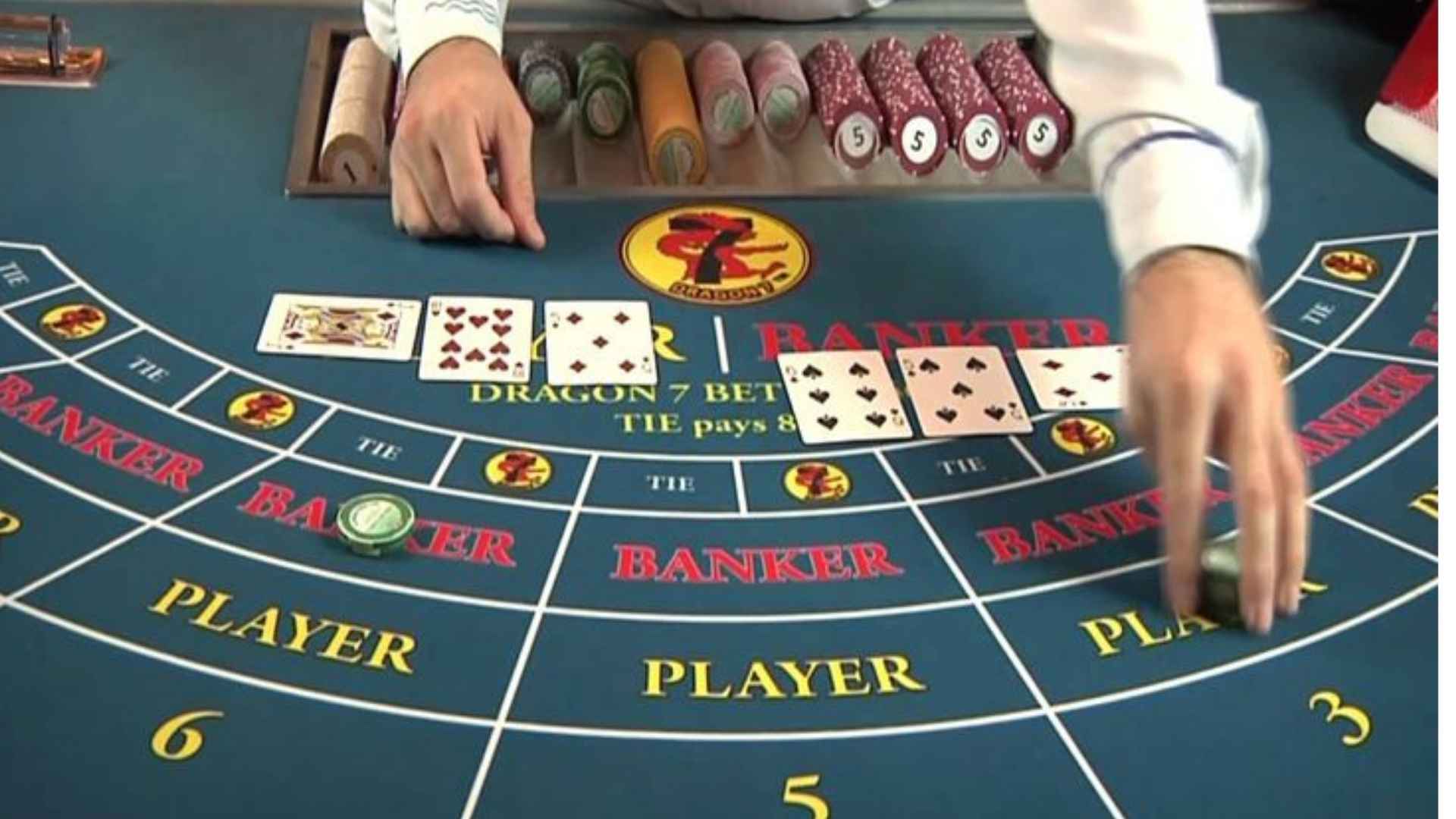
Anticipating the hidden cards of your adversaries is the ultimate milestone in the classic mind sport of contract bridge. While novice players often focus entirely on their own hands, true experts realize that the key to consistent victory lies in reading the table. By learning to decode subtle indicators left behind during the early phases of play, you can systematically reconstruct the layout of the unseen cards.
Decoding the Auction Dialogue
The process of predicting your opponents begins long before the first card hits the green felt table. Every bid made or passed by the defending side provides a wealth of statistical data regarding their total high card points and suit lengths. Listening carefully to this structured conversation allows your partnership to map out potential distributions early on.
For example, when an opponent passes initially but later shows unexpected defensive strength, you can deduce the exact limit of their high card holdings. Combining these historical inferences with standard bidding systems helps narrow down the mathematical possibilities significantly. Many strategic thinkers hone their analytical deduction skills by engaging with competitive setups on the M88 toto platform to practice reading complex positional patterns.
Analyzing the Opening Lead
The very first card played by the defending side serves as a critical diagnostic blueprint for the entire hand. Defensive leads are rarely random, as they typically follow strict traditional guidelines established to maximize partnership communication. Evaluating the specific rank of the card led helps you determine the surrounding honors in that particular suit.
If a defender leads a low card, it typically promises an honor holding within that suit, whereas a high spot card often implies a weak, short distribution. Paying close attention to these subtle signals allows the declarer to avoid dangerous finesses into the safe hand. Over time, practicing this level of visual diligence turns defensive openings into completely transparent roadmaps.
Tracking Discards and Spot Cards
As the deal progresses into the middle game, the cards that opponents choose to throw away become increasingly informative. Discarding is a sophisticated language used by defenders to show choice preferences or warn each other about vulnerable positions. Missing these minor signals can cost critical tricks during high-pressure tournament sessions.
By watching which suits are discarded first, you can accurately deduce where the remaining high-value honors reside. Furthermore, tracking the exact spot cards played during trumps helps you calculate the remaining distribution of the entire deck. Cultivating this mental habit ensures that your final tactical choices are backed by logical certainty rather than random guesswork.
Executing the Final Inference
The ultimate goal of predicting your adversaries is to arrive at the endgame with a complete mental picture of all four hands. When you combine bidding history, opening leads, and mid-game discards, the hidden layout inevitably reveals itself. This allows you to execute advanced maneuvers like double finesses or endplays with absolute certainty.
Patience and absolute concentration are required to maintain this high level of cognitive tracking throughout an entire evening. Every single deal delivers a completely unique logical puzzle that rewards measured execution over impulsive decisions. Committing to these analytical frameworks will naturally elevate your competitive scores and transform your overall approach to the game.