Dependent Events Made Easy with Games
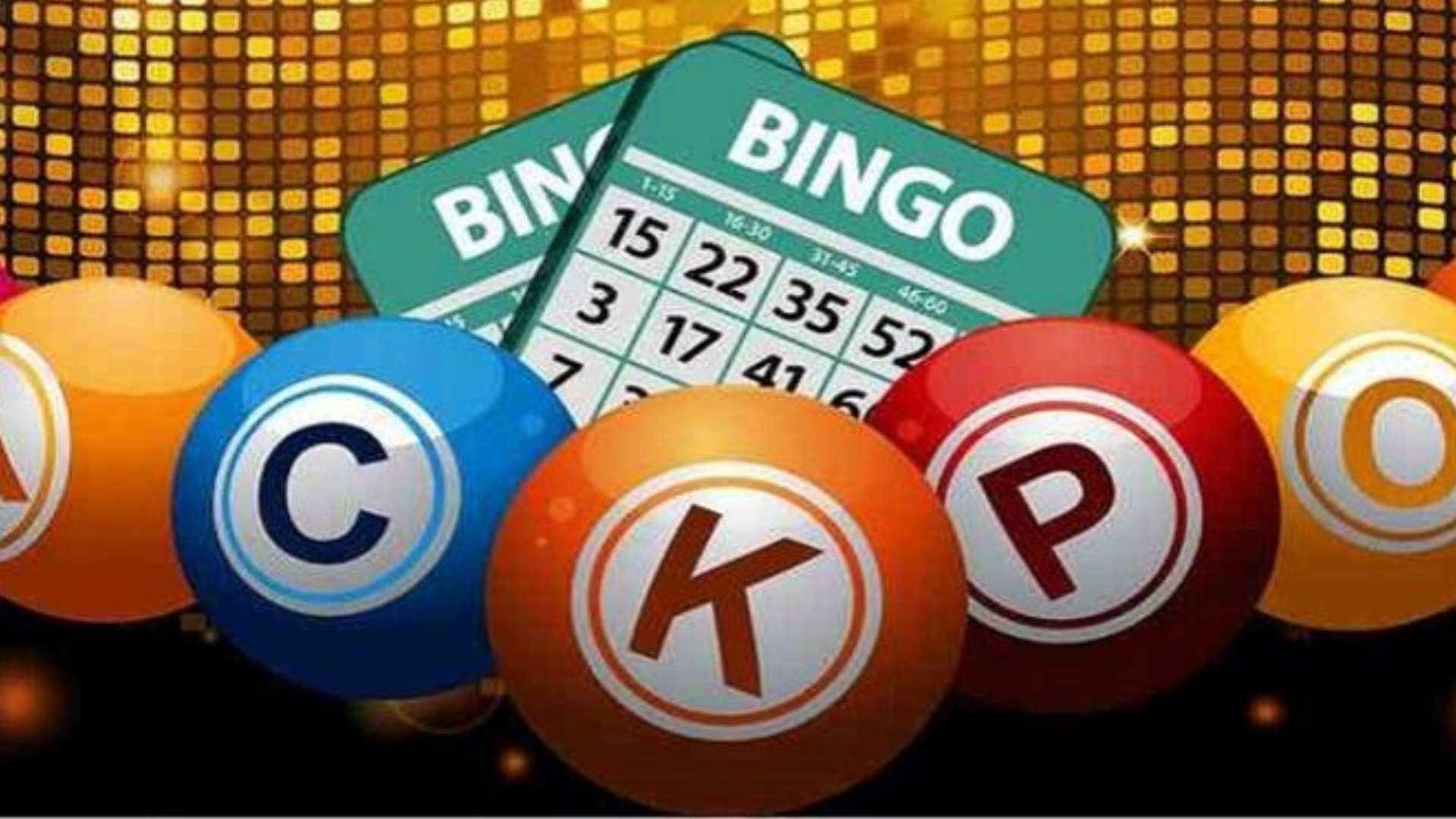
Understanding mathematical probability can often feel overwhelming when dealing with abstract formulas and textbook definitions. However, incorporating interactive elements like tabletop and digital challenges can completely transform how students perceive complex logical scenarios. By exploring these mathematical concepts firsthand, players can develop an intuitive understanding of risk and reward systems.
The Fundamental Concept of Shifting Odds
In the study of probability, dependent events refer to scenarios where the outcome of the first occurrence directly changes the likelihood of subsequent results. Unlike independent actions such as flipping a coin, these situations require players to constantly adapt their strategies based on historical data. Observing how each choice alters the remaining possibilities is essential for mastering advanced mathematical reasoning.
Traditional card games provide an excellent foundation for witnessing this unique dynamic in real time. For instance, when a card is drawn from a deck and not replaced, the structure of the entire system changes instantly. This shifting baseline forces participants to calculate new risk factors dynamically before making their next tactical move.
How Card Challenges Clarify Mathematical Principles
Engaging in interactive strategy challenges allows individuals to witness the practical applications of conditional probability without classroom stress. Many traditional tabletop activities rely heavily on tracking remaining options to estimate winning percentages accurately. This steady practice builds cognitive agility and sharpens analytical thinking over extended gameplay sessions.
Many modern platforms utilize these fundamental principles to design engaging environments for players looking to test their skills online. When exploring these interactive options, participating in a structured format like M88 toto can provide a practical space to observe how changing variables affect long-term results. Recognizing these structural patterns helps enthusiasts move past simple guesswork and transition toward informed decision-making.
Using Dice and Marble Simulations for Visual Learning
Educators frequently introduce visual tools like colored marbles in a bag to clarify how dependent variables function in practice. Removing an item from the pool naturally reduces the total count, which alters the odds for anyone participating in the next round. These simple hands-on exercises help younger learners grasp abstract statistical theories much more naturally than static equations.
By turning theoretical math problems into active group activities, teachers can foster a deeper interest in statistical science. Students naturally learn to collaborate and discuss the mathematical logic behind every single shift in the simulation. This interactive environment makes it easier to retain foundational concepts for future academic growth.
The Long-Term Benefits of Strategic Gameplay
Regularly participating in probability-based challenges does more than pass the time; it actively trains the mind to process risk logically. Facing uncertain situations in a safe environment helps individuals develop stronger analytical capabilities that apply directly to real-world architectures. Over time, players learn to rely on structured evaluation rather than emotional reactions during critical moments.
Ultimately, transforming abstract probability into an entertaining exercise levels the playing field for learners of all backgrounds. With consistent exposure to dynamic gaming setups, the mechanics of statistical distribution become highly accessible. Embracing this playful approach ensures that mastering complex mathematical systems remains both educational and deeply rewarding.